
Beta
About
Blog
December 23, 2025
When Christmas Feels Quiet: Loneliness, Language and the Messages We Send
Christmas is meant to be joyful. Connected. Full of warmth. But for millions of people, Christmas is one of the loneliest times of the year.

by
Blessing Platinum-Williams

While the world gets louder with celebrations, adverts and family photos, many people experience the opposite: isolation, grief, exclusion and emotional overwhelm. And often, that pain isn’t caused by what isn’t said - but by what is.
Loneliness Peaks When Togetherness Is Expected
Loneliness doesn’t disappear during the holidays. In fact, it intensifies.
Research consistently shows that feelings of loneliness and depression increase around Christmas, particularly among:
- Young people
- Older adults
- People estranged from family
- Those grieving a loss
- Individuals already struggling with mental health
In the UK, organisations like Samaritans report a surge in people reaching out during the festive period due to loneliness, hopelessness and emotional distress. While overall suicide rates do not always peak on Christmas Day itself, crisis intensity and emotional strain rise sharply in the surrounding weeks, driven largely by isolation and perceived exclusion.
Loneliness isn’t just an emotion - it’s a risk factor.
Words Carry More Weight When Someone Is Already Alone
During Christmas, messages land differently.
A short reply.
A joke that misses the mark.
An off-hand comment.
A delayed response.
A group chat that moves on without you.
To someone who already feels invisible, these moments can confirm their worst fears:
- I don’t matter.
- I’m a burden.
- I don’t belong anywhere.
Most people don’t intend harm. But impact doesn’t need intent.
A message that feels neutral to one person can feel rejecting to another - especially during a season that relentlessly reinforces togetherness.
Digital Communication Removes the Soft Edges
In person, we soften our words without thinking:
- Our tone changes
- Our body language reassures
- We correct ourselves when we sense discomfort
Online, those signals disappear.
Text is efficient - but emotionally blunt. Without awareness, messages can come across as:
- Dismissive
- Cold
- Impatient
- Excluding
- Final
For someone already struggling, that can be enough to push them deeper into isolation.
Loneliness and Suicide: The Link We Don’t Talk About Enough
Loneliness is strongly associated with depression, anxiety and suicidal ideation.
According to global health data referenced by the World Health Organisation, social isolation significantly increases the risk of mental health crises. It isn’t always dramatic events that lead to harm - often it’s a slow accumulation of feeling unseen, unheard and unwanted.
During the festive period, that accumulation accelerates.
People don’t necessarily want to die.
They want the pain - and the silence - to stop.
The Messages We Normalise Can Exclude Without Meaning To
Phrases we consider harmless can quietly shut people out:
- “We’ll do something soon” (with no follow-up)
- “You’re overthinking it”
- “Everyone else is fine with it”
- “Just be grateful”
- “It’s Christmas, cheer up”
These statements minimise pain. They close doors rather than opening them.
At a time when many are already questioning their worth, they can feel devastating.
Why Tonely Exists - Especially at Christmas
Tonely wasn’t created to make people perfect communicators. It was created to restore something we’ve lost online: emotional awareness.
Tonely helps people pause and ask:
- Could this sound colder than I intend?
- Might this come across as dismissive or excluding?
- Is there a kinder way to say this - especially right now?
That pause matters.
At Christmas, it can be the difference between someone feeling shut out and someone feeling remembered.
Small Shifts, Big Impact
You don’t need to write the perfect message.
You don’t need to fix anyone’s life.
Sometimes all it takes is:
- A warmer tone
- A follow-up message
- A simple “I’m thinking of you”
- A response that acknowledges feeling rather than dismissing it
Presence doesn’t have to be loud.
If Christmas Is Hard for You
If you’re reading this and Christmas feels heavy, know this:
You are not broken.
You are not weak.
You are not alone - even if it feels that way.
Support is available and reaching out is not a failure. In the UK, Samaritans are available 24/7. If you’re elsewhere, local crisis services exist for a reason - because this season is harder than people admit.
A Season of Reflection, Not Just Celebration
Christmas has become loud with expectation - but it can also be a time for gentleness.
Tonely believes that how we speak to each other matters, especially when people are already carrying more than we can see.
If this season teaches us anything, let it be this:
Kindness isn’t extra.
Awareness isn’t optional.
And words - especially at Christmas - can save as much as they can harm.
Keep Reading
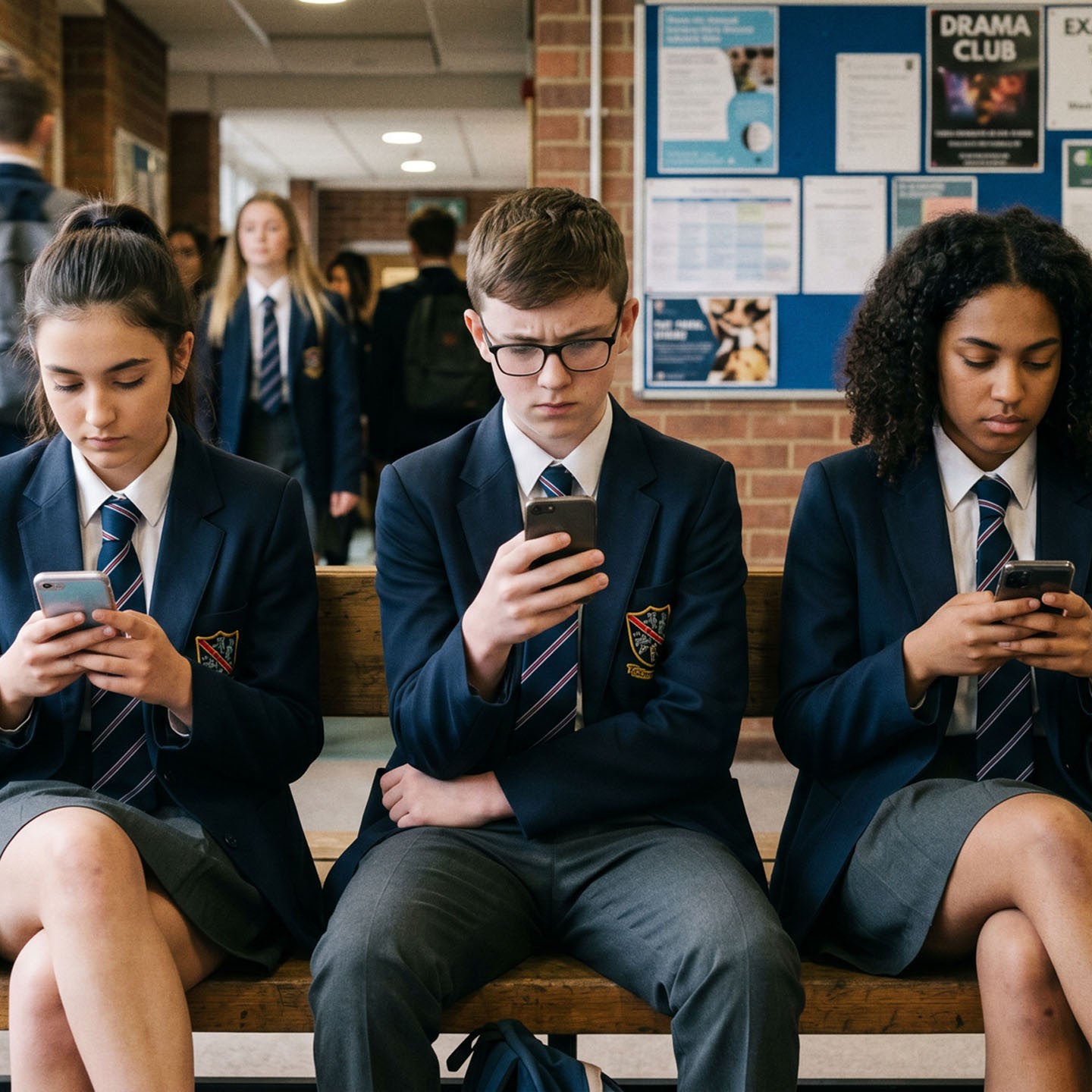
The UK Is Banning Under-16s From Social Media.
The UK’s proposed social media ban aims to enhance online safety by protecting minors from grooming, exploitation and addictive behaviors.
Blessing Platinum-Williams
·
June 15, 2026
Read more

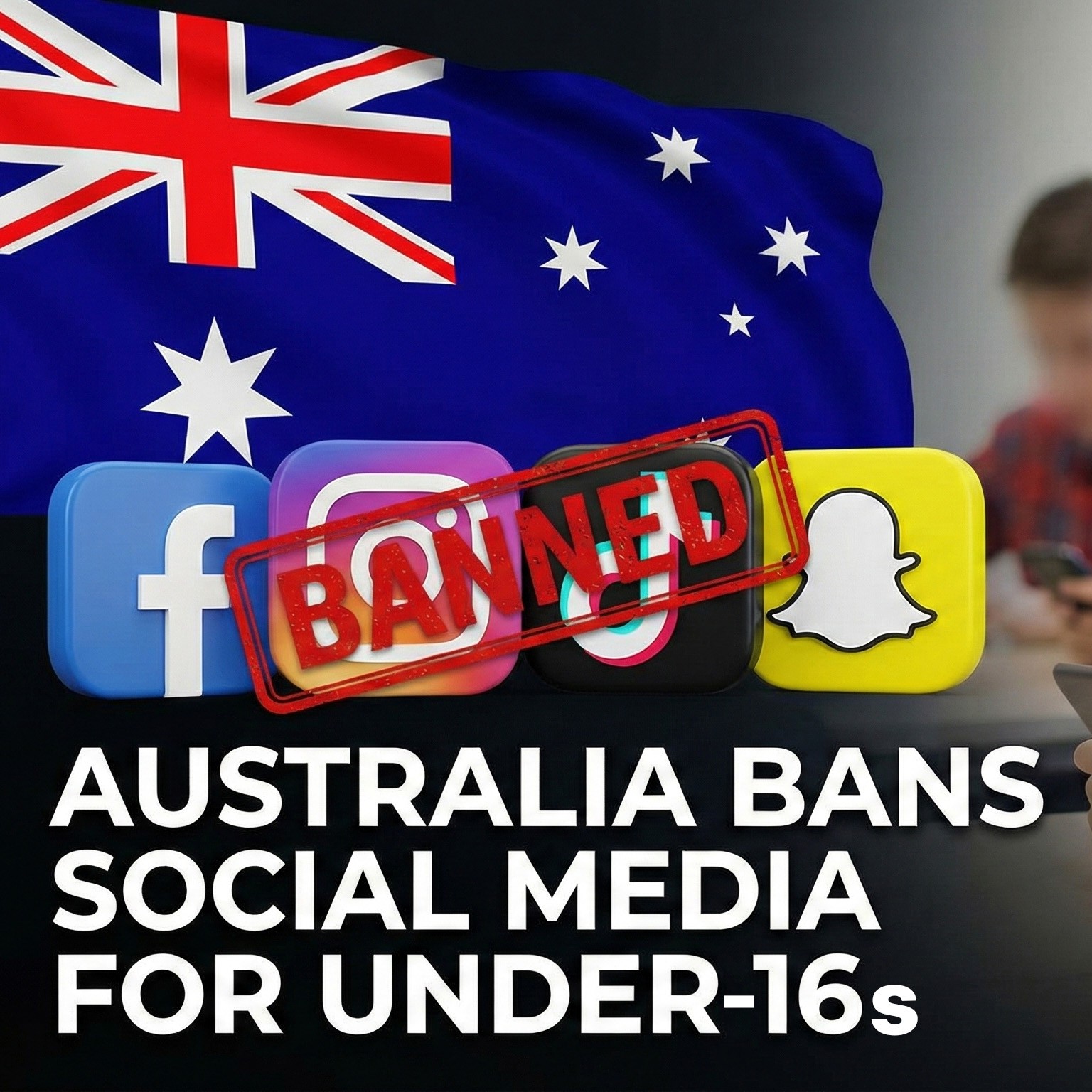
Australia Rocks! Why the World Is Watching Its Bold Social Media Move
Australia becomes the first nation to enforce a blanket ban on social media for under-16s, sparking a global debate on child protection and digital wellbeing.
Blessing Platinum-Williams
·
December 14, 2025
Read more
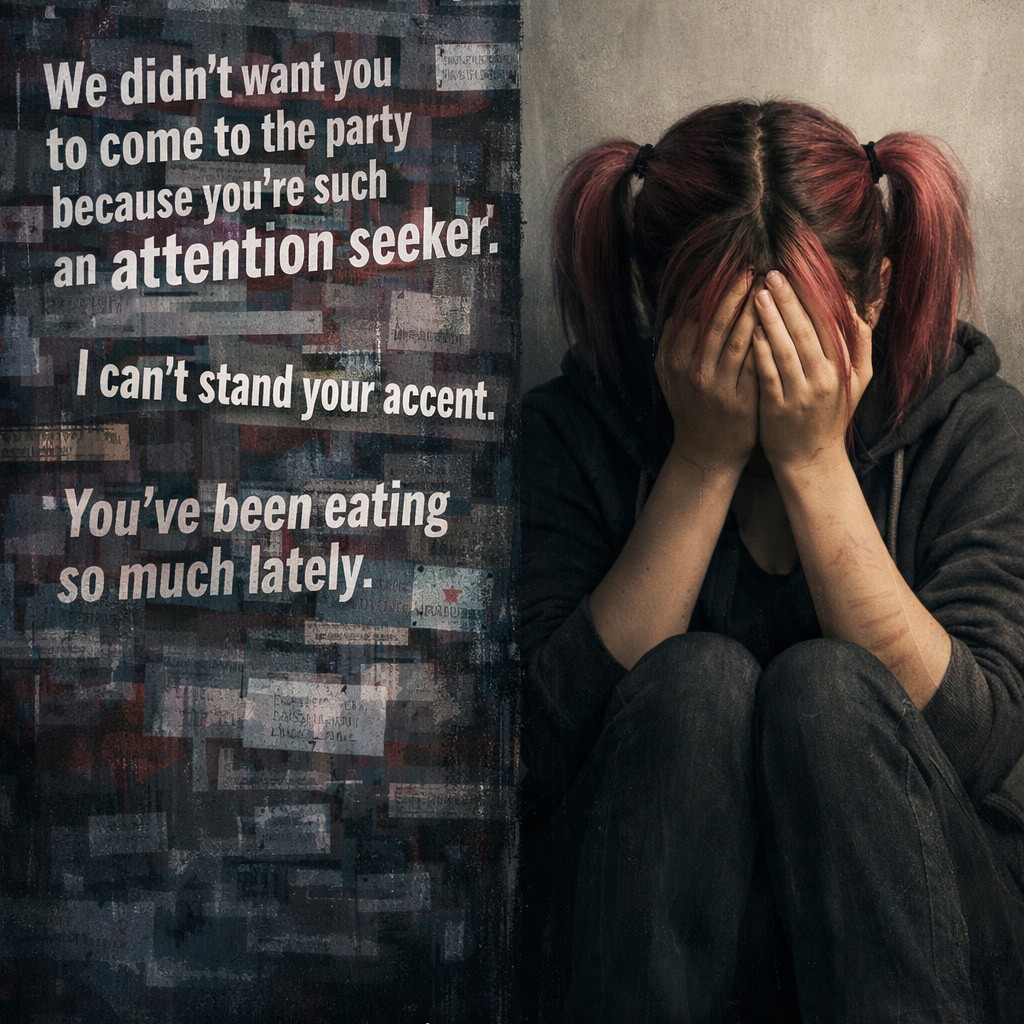
The Quiet Crisis We’re Letting Teenagers Carry Alone
Rising teen self-harm, online bullying and radicalisation are symptoms of a digital culture lacking emotional awareness and reflection.
Blessing Platinum-Williams
·
December 19, 2025
Read more
Works Offline. Private. On-Device.
Your data stays on your device.
Tonely never uploads your messages. All tone detection runs locally in your Chrome browser and on your phone.
Sign up here
Sign up for your free trial and then install the Chrome Extension & Mobile App*


*To use the Chrome Extension and the mobile app, you need to sign up with a Google account.

Not autocorrect. Autoreflect.
Resources
About Us
Press
Support
Contact Us
Give Feedback
Privacy Policy
Terms of Use
Copyright ©2026. Tonely AI Ltd. All Rights Reserved.

Beta
Not autocorrect. Autoreflect.
About
Blog
December 23, 2025
When Christmas Feels Quiet: Loneliness, Language and the Messages We Send
Christmas is meant to be joyful. Connected. Full of warmth. But for millions of people, Christmas is one of the loneliest times of the year.
by
Blessing Platinum-Williams
While the world gets louder with celebrations, adverts and family photos, many people experience the opposite: isolation, grief, exclusion and emotional overwhelm. And often, that pain isn’t caused by what isn’t said - but by what is.
Loneliness Peaks When Togetherness Is Expected
Loneliness doesn’t disappear during the holidays. In fact, it intensifies.
Research consistently shows that feelings of loneliness and depression increase around Christmas, particularly among:
- Young people
- Older adults
- People estranged from family
- Those grieving a loss
- Individuals already struggling with mental health
In the UK, organisations like Samaritans report a surge in people reaching out during the festive period due to loneliness, hopelessness and emotional distress. While overall suicide rates do not always peak on Christmas Day itself, crisis intensity and emotional strain rise sharply in the surrounding weeks, driven largely by isolation and perceived exclusion.
Loneliness isn’t just an emotion - it’s a risk factor.
Words Carry More Weight When Someone Is Already Alone
During Christmas, messages land differently.
A short reply.
A joke that misses the mark.
An off-hand comment.
A delayed response.
A group chat that moves on without you.
To someone who already feels invisible, these moments can confirm their worst fears:
- I don’t matter.
- I’m a burden.
- I don’t belong anywhere.
Most people don’t intend harm. But impact doesn’t need intent.
A message that feels neutral to one person can feel rejecting to another - especially during a season that relentlessly reinforces togetherness.
Digital Communication Removes the Soft Edges
In person, we soften our words without thinking:
- Our tone changes
- Our body language reassures
- We correct ourselves when we sense discomfort
Online, those signals disappear.
Text is efficient - but emotionally blunt. Without awareness, messages can come across as:
- Dismissive
- Cold
- Impatient
- Excluding
- Final
For someone already struggling, that can be enough to push them deeper into isolation.
Loneliness and Suicide: The Link We Don’t Talk About Enough
Loneliness is strongly associated with depression, anxiety and suicidal ideation.
According to global health data referenced by the World Health Organisation, social isolation significantly increases the risk of mental health crises. It isn’t always dramatic events that lead to harm - often it’s a slow accumulation of feeling unseen, unheard and unwanted.
During the festive period, that accumulation accelerates.
People don’t necessarily want to die.
They want the pain - and the silence - to stop.
The Messages We Normalise Can Exclude Without Meaning To
Phrases we consider harmless can quietly shut people out:
- “We’ll do something soon” (with no follow-up)
- “You’re overthinking it”
- “Everyone else is fine with it”
- “Just be grateful”
- “It’s Christmas, cheer up”
These statements minimise pain. They close doors rather than opening them.
At a time when many are already questioning their worth, they can feel devastating.
Why Tonely Exists - Especially at Christmas
Tonely wasn’t created to make people perfect communicators. It was created to restore something we’ve lost online: emotional awareness.
Tonely helps people pause and ask:
- Could this sound colder than I intend?
- Might this come across as dismissive or excluding?
- Is there a kinder way to say this - especially right now?
That pause matters.
At Christmas, it can be the difference between someone feeling shut out and someone feeling remembered.
Small Shifts, Big Impact
You don’t need to write the perfect message.
You don’t need to fix anyone’s life.
Sometimes all it takes is:
- A warmer tone
- A follow-up message
- A simple “I’m thinking of you”
- A response that acknowledges feeling rather than dismissing it
Presence doesn’t have to be loud.
If Christmas Is Hard for You
If you’re reading this and Christmas feels heavy, know this:
You are not broken.
You are not weak.
You are not alone - even if it feels that way.
Support is available and reaching out is not a failure. In the UK, Samaritans are available 24/7. If you’re elsewhere, local crisis services exist for a reason - because this season is harder than people admit.
A Season of Reflection, Not Just Celebration
Christmas has become loud with expectation - but it can also be a time for gentleness.
Tonely believes that how we speak to each other matters, especially when people are already carrying more than we can see.
If this season teaches us anything, let it be this:
Kindness isn’t extra.
Awareness isn’t optional.
And words - especially at Christmas - can save as much as they can harm.
Keep Reading
The UK Is Banning Under-16s From Social Media.
The UK’s proposed social media ban aims to enhance online safety by protecting minors from grooming, exploitation and addictive behaviors.
Blessing Platinum-Williams
·
June 15, 2026
Read more
Australia Rocks! Why the World Is Watching Its Bold Social Media Move
Australia becomes the first nation to enforce a blanket ban on social media for under-16s, sparking a global debate on child protection and digital wellbeing.
Blessing Platinum-Williams
·
December 14, 2025
Read more
The Quiet Crisis We’re Letting Teenagers Carry Alone
Rising teen self-harm, online bullying and radicalisation are symptoms of a digital culture lacking emotional awareness and reflection.
Blessing Platinum-Williams
·
December 19, 2025
Read more
Works Offline. Private. On-Device.
Your data stays on your device.
Tonely never uploads your messages. All tone detection runs locally in your Chrome browser and on your phone.
Sign up here
Sign up for your free trial and then install the Chrome Extension & Mobile App*
*To use the Chrome Extension and the mobile app, you need to sign up with a Google account.
Not autocorrect. Autoreflect.
Resources
About Us
Press
Support
Contact Us
Give Feedback
Privacy Policy
Terms of Use
Copyright ©2026. Tonely AI Ltd. All Rights Reserved.

December 23, 2025
When Christmas Feels Quiet: Loneliness, Language and the Messages We Send
Christmas is meant to be joyful. Connected. Full of warmth. But for millions of people, Christmas is one of the loneliest times of the year.
by
Blessing Platinum-Williams
While the world gets louder with celebrations, adverts and family photos, many people experience the opposite: isolation, grief, exclusion and emotional overwhelm. And often, that pain isn’t caused by what isn’t said - but by what is.
Loneliness Peaks When Togetherness Is Expected
Loneliness doesn’t disappear during the holidays. In fact, it intensifies.
Research consistently shows that feelings of loneliness and depression increase around Christmas, particularly among:
- Young people
- Older adults
- People estranged from family
- Those grieving a loss
- Individuals already struggling with mental health
In the UK, organisations like Samaritans report a surge in people reaching out during the festive period due to loneliness, hopelessness and emotional distress. While overall suicide rates do not always peak on Christmas Day itself, crisis intensity and emotional strain rise sharply in the surrounding weeks, driven largely by isolation and perceived exclusion.
Loneliness isn’t just an emotion - it’s a risk factor.
Words Carry More Weight When Someone Is Already Alone
During Christmas, messages land differently.
A short reply.
A joke that misses the mark.
An off-hand comment.
A delayed response.
A group chat that moves on without you.
To someone who already feels invisible, these moments can confirm their worst fears:
- I don’t matter.
- I’m a burden.
- I don’t belong anywhere.
Most people don’t intend harm. But impact doesn’t need intent.
A message that feels neutral to one person can feel rejecting to another - especially during a season that relentlessly reinforces togetherness.
Digital Communication Removes the Soft Edges
In person, we soften our words without thinking:
- Our tone changes
- Our body language reassures
- We correct ourselves when we sense discomfort
Online, those signals disappear.
Text is efficient - but emotionally blunt. Without awareness, messages can come across as:
- Dismissive
- Cold
- Impatient
- Excluding
- Final
For someone already struggling, that can be enough to push them deeper into isolation.
Loneliness and Suicide: The Link We Don’t Talk About Enough
Loneliness is strongly associated with depression, anxiety and suicidal ideation.
According to global health data referenced by the World Health Organisation, social isolation significantly increases the risk of mental health crises. It isn’t always dramatic events that lead to harm - often it’s a slow accumulation of feeling unseen, unheard and unwanted.
During the festive period, that accumulation accelerates.
People don’t necessarily want to die.
They want the pain - and the silence - to stop.
The Messages We Normalise Can Exclude Without Meaning To
Phrases we consider harmless can quietly shut people out:
- “We’ll do something soon” (with no follow-up)
- “You’re overthinking it”
- “Everyone else is fine with it”
- “Just be grateful”
- “It’s Christmas, cheer up”
These statements minimise pain. They close doors rather than opening them.
At a time when many are already questioning their worth, they can feel devastating.
Why Tonely Exists - Especially at Christmas
Tonely wasn’t created to make people perfect communicators. It was created to restore something we’ve lost online: emotional awareness.
Tonely helps people pause and ask:
- Could this sound colder than I intend?
- Might this come across as dismissive or excluding?
- Is there a kinder way to say this - especially right now?
That pause matters.
At Christmas, it can be the difference between someone feeling shut out and someone feeling remembered.
Small Shifts, Big Impact
You don’t need to write the perfect message.
You don’t need to fix anyone’s life.
Sometimes all it takes is:
- A warmer tone
- A follow-up message
- A simple “I’m thinking of you”
- A response that acknowledges feeling rather than dismissing it
Presence doesn’t have to be loud.
If Christmas Is Hard for You
If you’re reading this and Christmas feels heavy, know this:
You are not broken.
You are not weak.
You are not alone - even if it feels that way.
Support is available and reaching out is not a failure. In the UK, Samaritans are available 24/7. If you’re elsewhere, local crisis services exist for a reason - because this season is harder than people admit.
A Season of Reflection, Not Just Celebration
Christmas has become loud with expectation - but it can also be a time for gentleness.
Tonely believes that how we speak to each other matters, especially when people are already carrying more than we can see.
If this season teaches us anything, let it be this:
Kindness isn’t extra.
Awareness isn’t optional.
And words - especially at Christmas - can save as much as they can harm.
Keep Reading
The UK Is Banning Under-16s From Social Media.
The UK’s proposed social media ban aims to enhance online safety by protecting minors from grooming, exploitation and addictive behaviors.
Blessing Platinum-Williams
·
June 15, 2026
Read more
Australia Rocks! Why the World Is Watching Its Bold Social Media Move
Australia becomes the first nation to enforce a blanket ban on social media for under-16s, sparking a global debate on child protection and digital wellbeing.
Blessing Platinum-Williams
·
December 14, 2025
Read more
The Quiet Crisis We’re Letting Teenagers Carry Alone
Rising teen self-harm, online bullying and radicalisation are symptoms of a digital culture lacking emotional awareness and reflection.
Blessing Platinum-Williams
·
December 19, 2025
Read more
Works Offline. Private. On-Device.
Your data stays on your device.
Tonely never uploads your messages. All tone detection runs locally in your Chrome browser and on your phone.
Sign up here
Sign up for your free trial and then install the Chrome Extension & Mobile App*
*To use the Chrome Extension and the mobile app, you need to sign up with a Google account.
Not autocorrect. Autoreflect.
Resources
About Us
Press
Support
Contact Us
Give Feedback
Privacy Policy
Terms of Use
Copyright ©2026. Tonely AI Ltd. All Rights Reserved.