
Beta
About
Blog
December 19, 2025
The Quiet Crisis We’re Letting Teenagers Carry Alone
Rising teen self-harm, online bullying and radicalisation are symptoms of a digital culture lacking emotional awareness and reflection.

by
Blessing Platinum-Williams
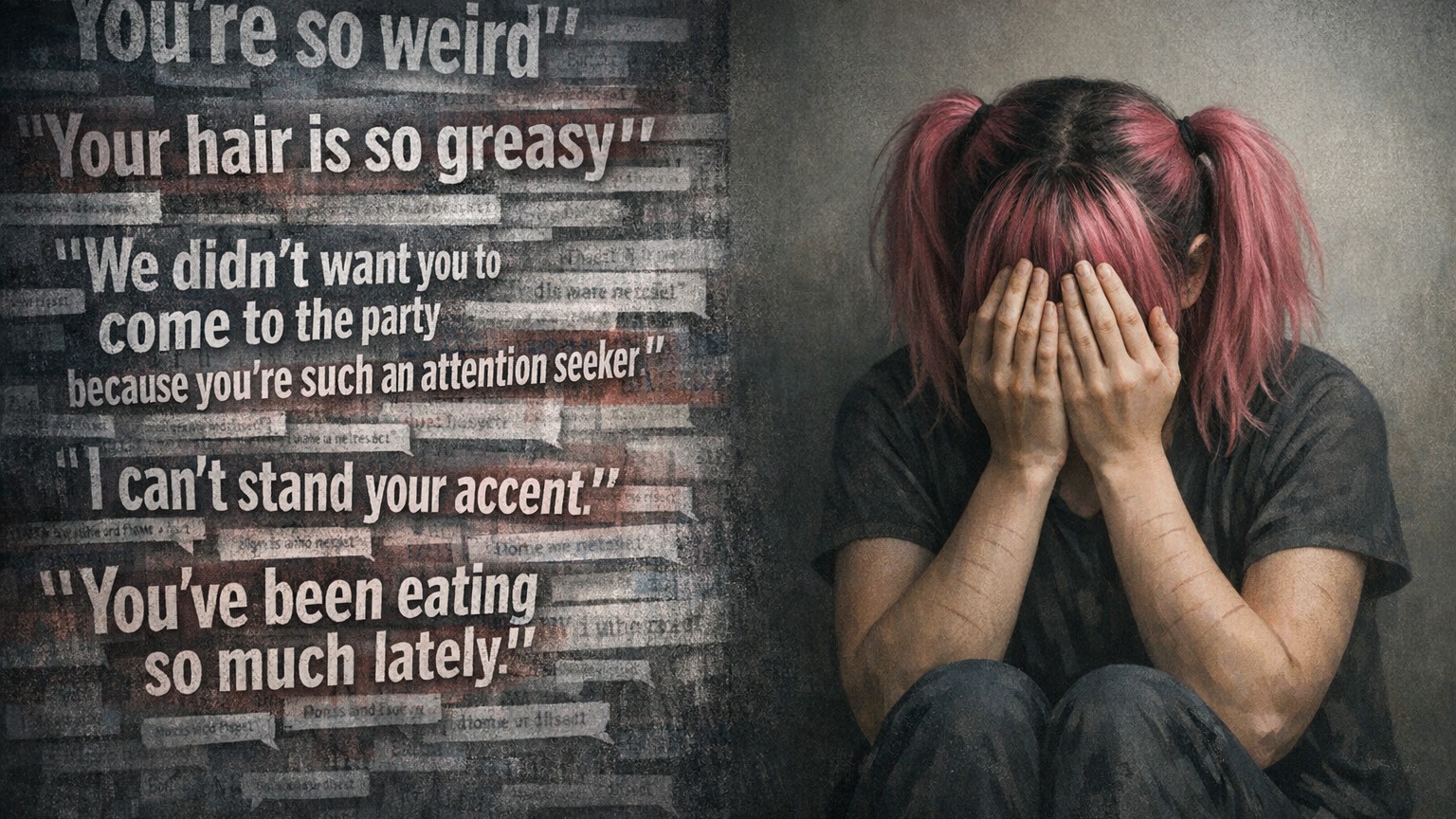
Teen self-harm is rising.
Online bullying hasn’t slowed.
Radicalisation is no longer hidden in dark corners of the internet — it’s happening in plain sight.
These aren’t separate problems. They’re deeply connected.
And most of it starts with words.
When Harm Doesn’t Look Like Harm
We tend to imagine danger online as something obvious: threats, slurs, explicit abuse. But for teenagers, harm often arrives quietly.
It sounds like:
- “You’re too sensitive.”
- “Everyone thinks this about you.”
- “If you cared, you’d do this.”
- “You’re embarrassing yourself.”
Messages that don’t scream abuse — but slowly dismantle confidence, identity and safety.
Teenagers are still forming who they are. When repeated messages undermine that process, the damage compounds. Over time, some young people internalise these voices. That’s where self-harm often begins — not as attention-seeking, but as a coping mechanism for emotional overload.
Online Bullying Has Evolved
Bullying today isn’t just name-calling in comment sections.
It’s:
- Group chats where one person is silently excluded
- Memes made “as a joke” that target someone repeatedly
- Screenshots shared out of context
- Coordinated dog-piling disguised as opinion
- Persistent “advice” that feels more like control
What makes this worse is scale and permanence. In the past, bullying ended when you left school. Now it follows teens into their bedrooms, onto their phones, into their nights.
There is no off-switch.
Radicalisation Preys on the Wounded
Here’s the part we don’t talk about enough.
Radicalisation doesn’t usually start with hate.
It starts with belonging.
Online groups that push extreme ideologies are very good at finding young people who feel:
- Isolated
- Misunderstood
- Angry
- Ashamed
- Powerless
They offer certainty in place of confusion. Validation in place of rejection. Identity in place of vulnerability.
A bullied teen doesn’t wake up wanting to be radicalised. They’re simply searching for somewhere their pain makes sense — and someone else is ready to weaponise it.
Why Tone Matters More Than We Realise
Words don’t just communicate information. They carry tone, intent and emotional weight.
Two messages can say the same thing — and land completely differently.
Teenagers often don’t yet have the emotional literacy to separate what is being said from how it’s being said. When messages are dismissive, controlling, shaming or aggressive, they can feel like truth rather than opinion.
And here’s the uncomfortable part:
many people causing harm don’t realise they’re doing it.
They think they’re being honest.
Direct.
Funny.
Helpful.
But impact doesn’t care about intention.
Where Tonely Fits Into This Conversation
Tonely wasn’t built to police language or shame people into silence. It was built because the digital world stripped away the natural feedback we get in face-to-face conversations.
In real life, we see flinches. Tears. Silence.
Online, we don’t.
Tonely exists to restore awareness.
It helps users pause and reflect:
- Does this sound harsher than I meant?
- Could this come across as controlling or dismissive?
- Is this message likely to escalate rather than resolve?
That pause matters — especially in environments where young people are still learning emotional regulation and empathy.
Prevention Isn’t Just Moderation
We can’t moderate our way out of this crisis.
Filters catch slurs. They don’t catch:
- Emotional Manipulation
- Coercion
- Sarcasm
- Isolation
- Aggression
Prevention requires teaching people — adults included — to understand tone, impact and responsibility in digital communication.
It requires tools that don’t just say “this is banned” but instead ask:
“Is this helpful?”
“Is this safe?”
“Is this necessary?”
A Generation Is Watching What We Allow
Teenagers learn what’s acceptable by what we tolerate.
If we normalise cruelty as humour, control as care, and dog-piling as accountability, we shouldn’t be surprised when young people struggle to feel safe — with others or with themselves.
Rising teen self-harm is not a mystery.
Online bullying is not accidental.
Radicalisation is not random.
They are symptoms of a digital culture that forgot to teach reflection.
This Is a Human Issue, Not a Tech Trend
Tonely is just one response to a much bigger problem. But the heart of it is simple:
- Words shape worlds.
- Especially for teenagers.
If we want safer digital spaces, we don’t just need better rules — we need better awareness.
Because sometimes, stopping harm isn’t about silencing speech.
It’s about helping people hear themselves clearly for the first time.
Keep Reading
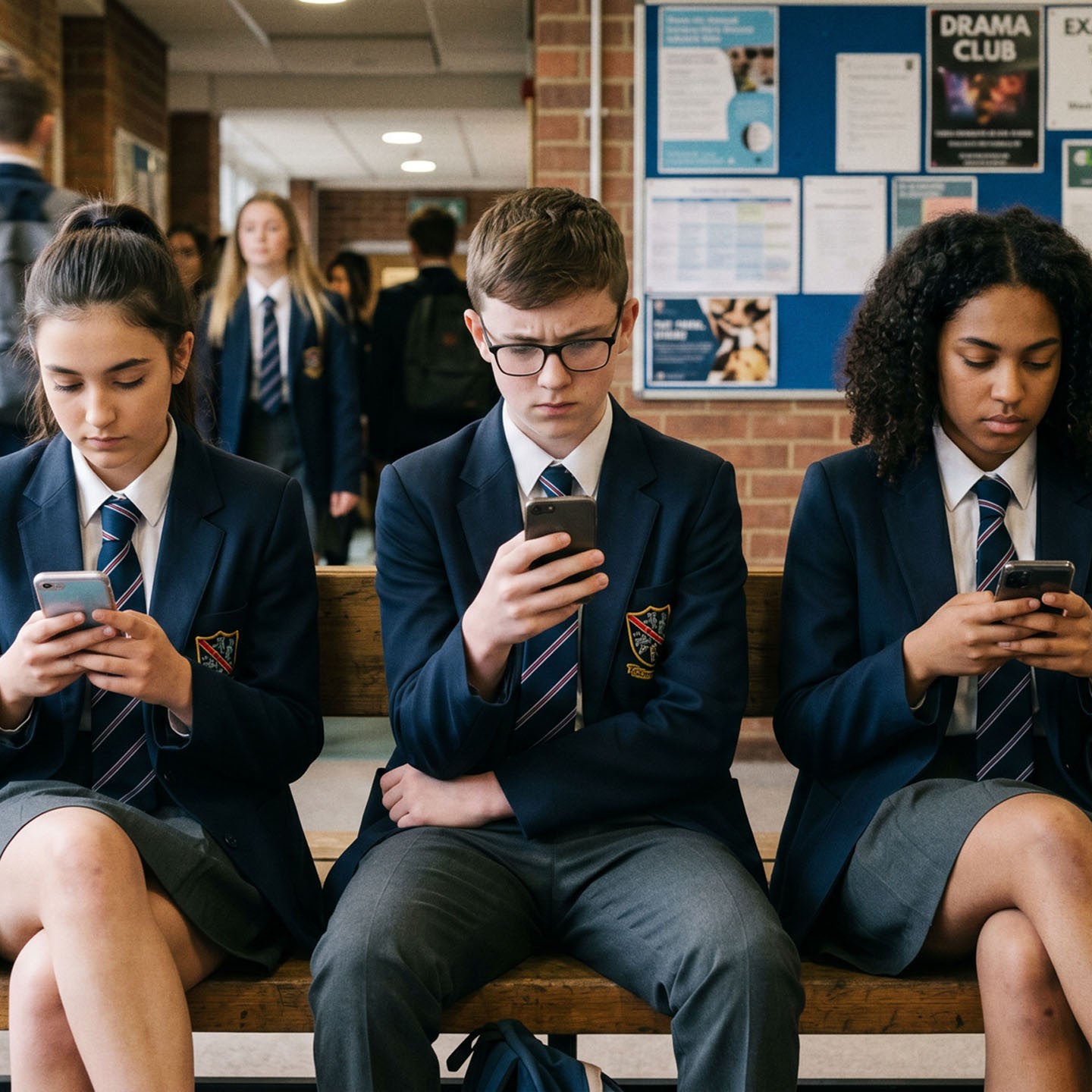
The UK Is Banning Under-16s From Social Media.
The UK’s proposed social media ban aims to enhance online safety by protecting minors from grooming, exploitation and addictive behaviors.
Blessing Platinum-Williams
·
June 15, 2026
Read more

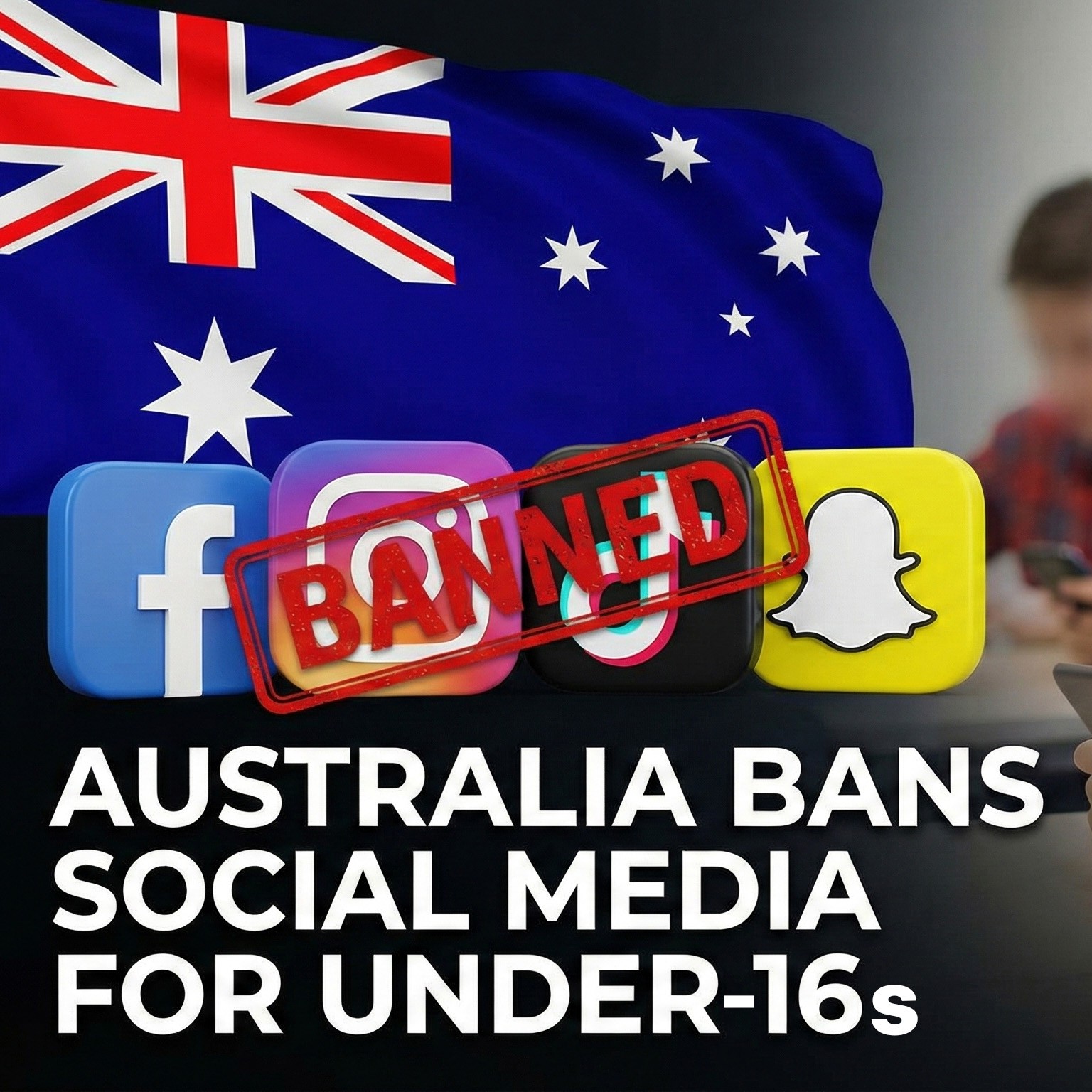
Australia Rocks! Why the World Is Watching Its Bold Social Media Move
Australia becomes the first nation to enforce a blanket ban on social media for under-16s, sparking a global debate on child protection and digital wellbeing.
Blessing Platinum-Williams
·
December 14, 2025
Read more
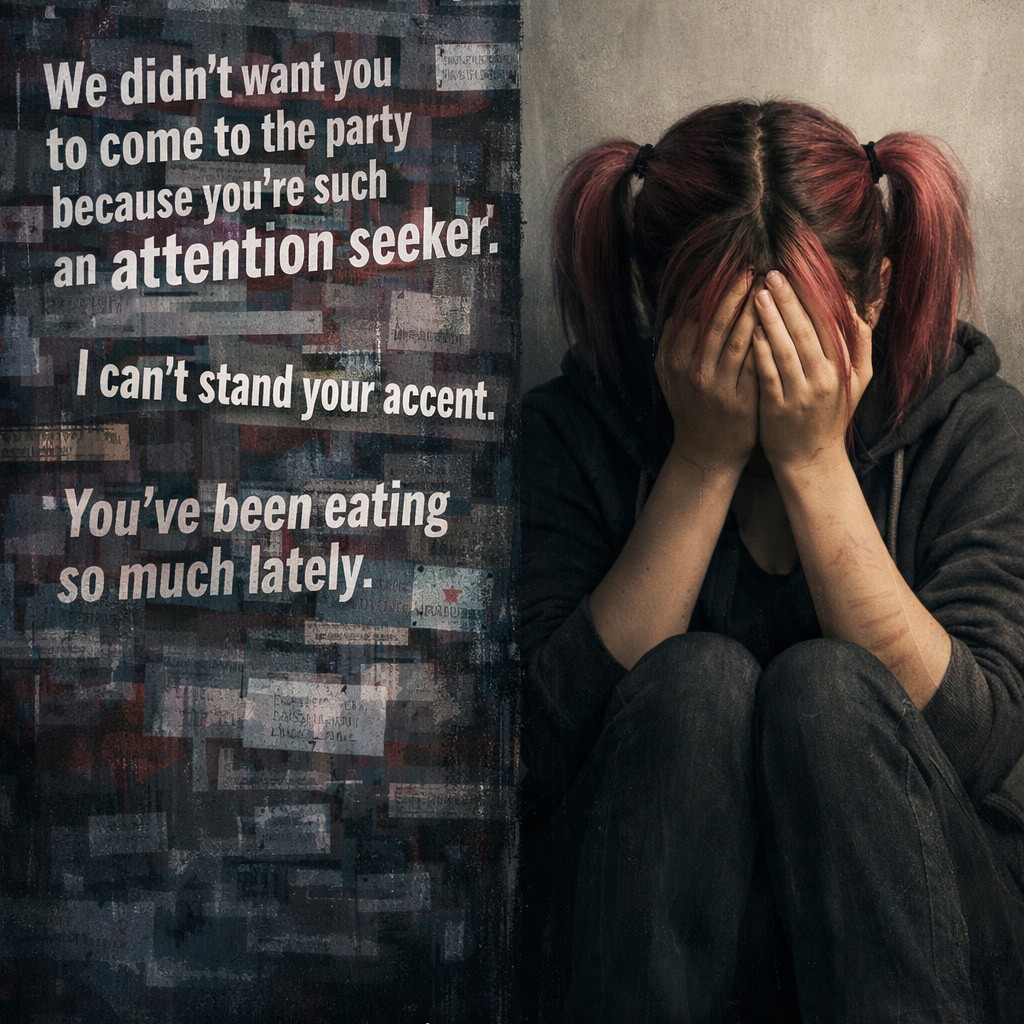
The Quiet Crisis We’re Letting Teenagers Carry Alone
Rising teen self-harm, online bullying and radicalisation are symptoms of a digital culture lacking emotional awareness and reflection.
Blessing Platinum-Williams
·
December 19, 2025
Read more
Works Offline. Private. On-Device.
Your data stays on your device.
Tonely never uploads your messages. All tone detection runs locally in your Chrome browser and on your phone.
Sign up here
Sign up for your free trial and then install the Chrome Extension & Mobile App*


*To use the Chrome Extension and the mobile app, you need to sign up with a Google account.

Not autocorrect. Autoreflect.
Resources
About Us
Press
Support
Contact Us
Give Feedback
Privacy Policy
Terms of Use
Copyright ©2026. Tonely AI Ltd. All Rights Reserved.

Beta
Not autocorrect. Autoreflect.
About
Blog
December 19, 2025
The Quiet Crisis We’re Letting Teenagers Carry Alone
Rising teen self-harm, online bullying and radicalisation are symptoms of a digital culture lacking emotional awareness and reflection.
by
Blessing Platinum-Williams
Teen self-harm is rising.
Online bullying hasn’t slowed.
Radicalisation is no longer hidden in dark corners of the internet — it’s happening in plain sight.
These aren’t separate problems. They’re deeply connected.
And most of it starts with words.
When Harm Doesn’t Look Like Harm
We tend to imagine danger online as something obvious: threats, slurs, explicit abuse. But for teenagers, harm often arrives quietly.
It sounds like:
- “You’re too sensitive.”
- “Everyone thinks this about you.”
- “If you cared, you’d do this.”
- “You’re embarrassing yourself.”
Messages that don’t scream abuse — but slowly dismantle confidence, identity and safety.
Teenagers are still forming who they are. When repeated messages undermine that process, the damage compounds. Over time, some young people internalise these voices. That’s where self-harm often begins — not as attention-seeking, but as a coping mechanism for emotional overload.
Online Bullying Has Evolved
Bullying today isn’t just name-calling in comment sections.
It’s:
- Group chats where one person is silently excluded
- Memes made “as a joke” that target someone repeatedly
- Screenshots shared out of context
- Coordinated dog-piling disguised as opinion
- Persistent “advice” that feels more like control
What makes this worse is scale and permanence. In the past, bullying ended when you left school. Now it follows teens into their bedrooms, onto their phones, into their nights.
There is no off-switch.
Radicalisation Preys on the Wounded
Here’s the part we don’t talk about enough.
Radicalisation doesn’t usually start with hate.
It starts with belonging.
Online groups that push extreme ideologies are very good at finding young people who feel:
- Isolated
- Misunderstood
- Angry
- Ashamed
- Powerless
They offer certainty in place of confusion. Validation in place of rejection. Identity in place of vulnerability.
A bullied teen doesn’t wake up wanting to be radicalised. They’re simply searching for somewhere their pain makes sense — and someone else is ready to weaponise it.
Why Tone Matters More Than We Realise
Words don’t just communicate information. They carry tone, intent and emotional weight.
Two messages can say the same thing — and land completely differently.
Teenagers often don’t yet have the emotional literacy to separate what is being said from how it’s being said. When messages are dismissive, controlling, shaming or aggressive, they can feel like truth rather than opinion.
And here’s the uncomfortable part:
many people causing harm don’t realise they’re doing it.
They think they’re being honest.
Direct.
Funny.
Helpful.
But impact doesn’t care about intention.
Where Tonely Fits Into This Conversation
Tonely wasn’t built to police language or shame people into silence. It was built because the digital world stripped away the natural feedback we get in face-to-face conversations.
In real life, we see flinches. Tears. Silence.
Online, we don’t.
Tonely exists to restore awareness.
It helps users pause and reflect:
- Does this sound harsher than I meant?
- Could this come across as controlling or dismissive?
- Is this message likely to escalate rather than resolve?
That pause matters — especially in environments where young people are still learning emotional regulation and empathy.
Prevention Isn’t Just Moderation
We can’t moderate our way out of this crisis.
Filters catch slurs. They don’t catch:
- Emotional Manipulation
- Coercion
- Sarcasm
- Isolation
- Aggression
Prevention requires teaching people — adults included — to understand tone, impact and responsibility in digital communication.
It requires tools that don’t just say “this is banned” but instead ask:
“Is this helpful?”
“Is this safe?”
“Is this necessary?”
A Generation Is Watching What We Allow
Teenagers learn what’s acceptable by what we tolerate.
If we normalise cruelty as humour, control as care, and dog-piling as accountability, we shouldn’t be surprised when young people struggle to feel safe — with others or with themselves.
Rising teen self-harm is not a mystery.
Online bullying is not accidental.
Radicalisation is not random.
They are symptoms of a digital culture that forgot to teach reflection.
This Is a Human Issue, Not a Tech Trend
Tonely is just one response to a much bigger problem. But the heart of it is simple:
- Words shape worlds.
- Especially for teenagers.
If we want safer digital spaces, we don’t just need better rules — we need better awareness.
Because sometimes, stopping harm isn’t about silencing speech.
It’s about helping people hear themselves clearly for the first time.
Keep Reading
The UK Is Banning Under-16s From Social Media.
The UK’s proposed social media ban aims to enhance online safety by protecting minors from grooming, exploitation and addictive behaviors.
Blessing Platinum-Williams
·
June 15, 2026
Read more
Australia Rocks! Why the World Is Watching Its Bold Social Media Move
Australia becomes the first nation to enforce a blanket ban on social media for under-16s, sparking a global debate on child protection and digital wellbeing.
Blessing Platinum-Williams
·
December 14, 2025
Read more
The Quiet Crisis We’re Letting Teenagers Carry Alone
Rising teen self-harm, online bullying and radicalisation are symptoms of a digital culture lacking emotional awareness and reflection.
Blessing Platinum-Williams
·
December 19, 2025
Read more
Works Offline. Private. On-Device.
Your data stays on your device.
Tonely never uploads your messages. All tone detection runs locally in your Chrome browser and on your phone.
Sign up here
Sign up for your free trial and then install the Chrome Extension & Mobile App*
*To use the Chrome Extension and the mobile app, you need to sign up with a Google account.
Not autocorrect. Autoreflect.
Resources
About Us
Press
Support
Contact Us
Give Feedback
Privacy Policy
Terms of Use
Copyright ©2026. Tonely AI Ltd. All Rights Reserved.

December 19, 2025
The Quiet Crisis We’re Letting Teenagers Carry Alone
Rising teen self-harm, online bullying and radicalisation are symptoms of a digital culture lacking emotional awareness and reflection.
by
Blessing Platinum-Williams
Teen self-harm is rising.
Online bullying hasn’t slowed.
Radicalisation is no longer hidden in dark corners of the internet — it’s happening in plain sight.
These aren’t separate problems. They’re deeply connected.
And most of it starts with words.
When Harm Doesn’t Look Like Harm
We tend to imagine danger online as something obvious: threats, slurs, explicit abuse. But for teenagers, harm often arrives quietly.
It sounds like:
- “You’re too sensitive.”
- “Everyone thinks this about you.”
- “If you cared, you’d do this.”
- “You’re embarrassing yourself.”
Messages that don’t scream abuse — but slowly dismantle confidence, identity and safety.
Teenagers are still forming who they are. When repeated messages undermine that process, the damage compounds. Over time, some young people internalise these voices. That’s where self-harm often begins — not as attention-seeking, but as a coping mechanism for emotional overload.
Online Bullying Has Evolved
Bullying today isn’t just name-calling in comment sections.
It’s:
- Group chats where one person is silently excluded
- Memes made “as a joke” that target someone repeatedly
- Screenshots shared out of context
- Coordinated dog-piling disguised as opinion
- Persistent “advice” that feels more like control
What makes this worse is scale and permanence. In the past, bullying ended when you left school. Now it follows teens into their bedrooms, onto their phones, into their nights.
There is no off-switch.
Radicalisation Preys on the Wounded
Here’s the part we don’t talk about enough.
Radicalisation doesn’t usually start with hate.
It starts with belonging.
Online groups that push extreme ideologies are very good at finding young people who feel:
- Isolated
- Misunderstood
- Angry
- Ashamed
- Powerless
They offer certainty in place of confusion. Validation in place of rejection. Identity in place of vulnerability.
A bullied teen doesn’t wake up wanting to be radicalised. They’re simply searching for somewhere their pain makes sense — and someone else is ready to weaponise it.
Why Tone Matters More Than We Realise
Words don’t just communicate information. They carry tone, intent and emotional weight.
Two messages can say the same thing — and land completely differently.
Teenagers often don’t yet have the emotional literacy to separate what is being said from how it’s being said. When messages are dismissive, controlling, shaming or aggressive, they can feel like truth rather than opinion.
And here’s the uncomfortable part:
many people causing harm don’t realise they’re doing it.
They think they’re being honest.
Direct.
Funny.
Helpful.
But impact doesn’t care about intention.
Where Tonely Fits Into This Conversation
Tonely wasn’t built to police language or shame people into silence. It was built because the digital world stripped away the natural feedback we get in face-to-face conversations.
In real life, we see flinches. Tears. Silence.
Online, we don’t.
Tonely exists to restore awareness.
It helps users pause and reflect:
- Does this sound harsher than I meant?
- Could this come across as controlling or dismissive?
- Is this message likely to escalate rather than resolve?
That pause matters — especially in environments where young people are still learning emotional regulation and empathy.
Prevention Isn’t Just Moderation
We can’t moderate our way out of this crisis.
Filters catch slurs. They don’t catch:
- Emotional Manipulation
- Coercion
- Sarcasm
- Isolation
- Aggression
Prevention requires teaching people — adults included — to understand tone, impact and responsibility in digital communication.
It requires tools that don’t just say “this is banned” but instead ask:
“Is this helpful?”
“Is this safe?”
“Is this necessary?”
A Generation Is Watching What We Allow
Teenagers learn what’s acceptable by what we tolerate.
If we normalise cruelty as humour, control as care, and dog-piling as accountability, we shouldn’t be surprised when young people struggle to feel safe — with others or with themselves.
Rising teen self-harm is not a mystery.
Online bullying is not accidental.
Radicalisation is not random.
They are symptoms of a digital culture that forgot to teach reflection.
This Is a Human Issue, Not a Tech Trend
Tonely is just one response to a much bigger problem. But the heart of it is simple:
- Words shape worlds.
- Especially for teenagers.
If we want safer digital spaces, we don’t just need better rules — we need better awareness.
Because sometimes, stopping harm isn’t about silencing speech.
It’s about helping people hear themselves clearly for the first time.
Keep Reading
The UK Is Banning Under-16s From Social Media.
The UK’s proposed social media ban aims to enhance online safety by protecting minors from grooming, exploitation and addictive behaviors.
Blessing Platinum-Williams
·
June 15, 2026
Read more
Australia Rocks! Why the World Is Watching Its Bold Social Media Move
Australia becomes the first nation to enforce a blanket ban on social media for under-16s, sparking a global debate on child protection and digital wellbeing.
Blessing Platinum-Williams
·
December 14, 2025
Read more
The Quiet Crisis We’re Letting Teenagers Carry Alone
Rising teen self-harm, online bullying and radicalisation are symptoms of a digital culture lacking emotional awareness and reflection.
Blessing Platinum-Williams
·
December 19, 2025
Read more
Works Offline. Private. On-Device.
Your data stays on your device.
Tonely never uploads your messages. All tone detection runs locally in your Chrome browser and on your phone.
Sign up here
Sign up for your free trial and then install the Chrome Extension & Mobile App*
*To use the Chrome Extension and the mobile app, you need to sign up with a Google account.
Not autocorrect. Autoreflect.
Resources
About Us
Press
Support
Contact Us
Give Feedback
Privacy Policy
Terms of Use
Copyright ©2026. Tonely AI Ltd. All Rights Reserved.